Wood: A Big Guide to Types, Uses & Choosing the Right One
A concise guide to wood species, their properties, and where each type performs best - from roofing to the kitchen, living room, and outdoors.
Wood is one of the most versatile building and furniture materials. It comes in soft and hard, light and dark, budget and premium. The key is not "the best wood overall," but the right wood for a specific job: a roof, a kitchen, a living room, or the outdoors. Below is a large data set: types, properties, applications, and selection criteria.
We have organized the material into sections: first an overall map of species and their characteristics, then dedicated sections for each type of application. At the end - how to contact us for a consultation and help choosing wood for your project.
Types of Wood: The Big Picture
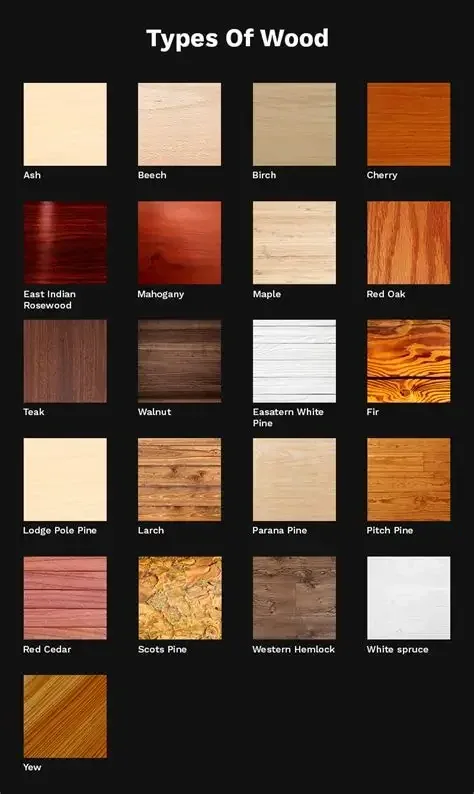
All species fall into two broad groups - conifers and hardwoods. Within each there are soft and hard species, light and dark, with different lifespans and prices. Below are the main groups and their character.
Main Wood Groups
Conifers (softwoods)
Pine, spruce, fir, larch, cedar. Lighter, cheaper, easier to work with. Pine and spruce - for rough work, finishing, and budget furniture. Larch is the exception: hard, moisture-resistant, ideal for roofing and outdoors.
Hardwoods
Oak, ash, beech, walnut, cherry, maple, birch. Dense, durable, with beautiful grain. Oak and ash - for kitchens and living rooms, walnut - premium furniture. Birch and maple - affordable options.
Tropical woods
Teak, meranti, dark walnut, ebony. Very dense, oily, resistant to moisture and insects. Teak is the benchmark for outdoor and deck use. Expensive, but lasts for decades.
Pine and spruce
The most affordable. Pine - light, soft, easy to paint. Spruce - slightly denser, with a characteristic aroma. For framing, rough finishing, budget furniture, and decorative elements.
Larch
A conifer, but hard and moisture-resistant. Does not rot in the ground, stands up to moisture. Ideal for roofing, terraces, outdoor furniture, and saunas. More expensive than pine, but lasts many times longer.
Oak
The classic hardwood. Very dense, heavy, with beautiful grain. Resistant to moisture and mechanical stress. For kitchen countertops, floors, living room furniture, and staircases.
Ash
Flexible, strong, with pronounced grain. Bends well, resists impact. For furniture, staircases, sports equipment, and kitchen countertops. Lighter than oak, with a distinctive pattern.
Beech
Dense, hard, with fine grain. Holds its shape well but is sensitive to moisture. For case furniture, shelving, and kitchen fronts in dry rooms. More affordable than oak.
Walnut
Premium dark wood. Dense, stable, with a noble color. For designer furniture, studies, and classic-style kitchens. Expensive, but striking.
Cherry
Warm pink-brown color that darkens over time. Softer than oak but denser than pine. For furniture, panels, and kitchen fronts. Beautiful grain, mid-range price.
Birch
Light, dense, affordable. Holds its shape well but is sensitive to moisture. For case furniture, drawers, and decorative elements. A budget option for kitchens and living rooms.
Maple
Light, dense, with fine grain. Resistant to impact, polishes well. For kitchen countertops, floors, and furniture. Often used as an alternative to oak.
General Uses of Wood
Wood is used in virtually every area of construction and design. Below are the main applications and which wood suits each.
- Construction and framing: pine, spruce, larch. Cheap, light, easy to work with. Larch - for load-bearing structures in wet conditions.
- Roofing: larch, pine, cedar. Larch is the best choice for roofing: moisture-resistant, does not rot, lasts 50+ years. Pine - a budget option with treatment.
- Floors: oak, ash, beech, larch. Oak is the classic, ash for large rooms, larch for wet areas.
- Furniture: oak, ash, beech, walnut, cherry, birch, maple. Choice depends on style, budget, and usage conditions.
- Doors and windows: oak, ash, larch, pine. Oak and ash for exterior doors, pine and larch for interior doors.
- Finishing: pine, spruce, larch, oak, ash. Panels, moldings, decorative elements.
- Outdoor furniture: larch, teak, treated pine. Larch and teak are the best choices; pine is a budget option with regular treatment.
- Kitchen: oak, ash, beech, maple, birch. Countertops - oak, ash, maple. Fronts - beech, birch, cherry.
- Living room: oak, ash, walnut, cherry, beech. Premium furniture - walnut, cherry. Budget - beech, birch.
How to Choose Wood for a Roof
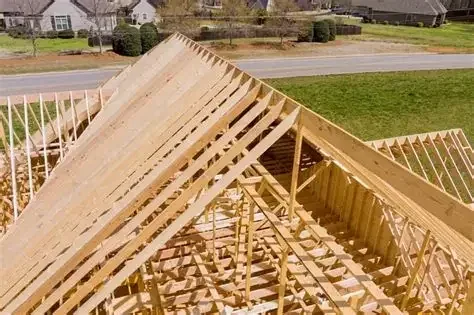
Roofing is one of the most demanding uses of wood. The material is constantly exposed to moisture, temperature swings, UV, and mechanical loads. Picking the wrong species means leaks, rot, and warping within a few years.
Selection Criteria for Roofing Wood
What to Look For
- Do: Moisture resistance: larch, teak, cedar. These species do not fear moisture, do not swell, and do not rot.
- Do: Strength: larch, oak, ash. They withstand snow loads without sagging.
- Do: Stability: larch, teak. Minimal shrinkage, cracking, and deformation.
- Do: Insect resistance: larch, teak, cedar. They contain resins and tannins that repel insects.
- Avoid: Untreated pine and spruce: rot quickly, swell, and get moldy. Only suitable with preservative treatment.
- Avoid: Soft hardwoods: beech, birch. Not suitable for roofing - they fear moisture.
Best Species for Roofing
Species Ranking for Roofing
1. Larch (best choice)
Moisture-resistant, strong, does not rot. Lasts 50-100 years. Ideal for rafters, sheathing, and roofing boards. More expensive than pine, but pays off in lifespan.
2. Cedar
Light, moisture-resistant, with beautiful grain. Contains natural preservatives. For roofing boards and sheathing. More expensive than larch, but easier to work with.
3. Teak
The premium option. Very dense, oily, does not rot. For roofing in high-humidity regions. The most expensive, but lasts 100+ years.
4. Pine (treated)
The budget option. Requires preservative and fire-retardant treatment. For rafters and sheathing. Lasts 15-25 years with proper treatment.
5. Oak
Strong, moisture-resistant. For rafters and load-bearing elements. Heavy and expensive. Rarely used for roofing due to weight and price.
Selection Tips
- Choose dry wood with 12-15% moisture. Wet wood will crack and deform.
- Check for knots, cracks, and rot. For roofing, prefer wood without large knots.
- For rafters and load-bearing elements - larch or oak. For sheathing - treated pine or larch.
- Treat with preservative and fire retardant, even if you choose larch. It will extend the lifespan.
- Do not use untreated pine or spruce for roofing - they will rot quickly.
- Consider your region: in northern, high-humidity areas - larch or teak. In dry areas - treated pine.
How to Choose Wood for Kitchen Furniture
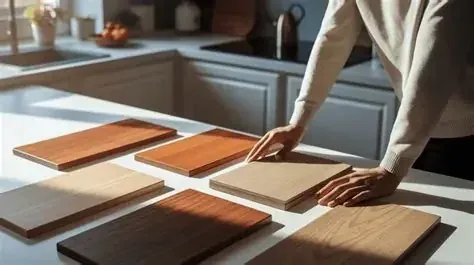
The kitchen is the most "aggressive" room for furniture: moisture, grease, temperature swings, and mechanical loads. The wood must be moisture-resistant, scratch-resistant, easy to clean, and fade-resistant.
Selection Criteria for Kitchen Wood
What to Look For
- Do: Moisture resistance: oak, ash, maple, larch. They do not swell from moisture and do not deform.
- Do: Strength: oak, ash, maple. They withstand impacts, scratches, and loads.
- Do: Ease of care: oak, ash, maple. Easy to clean, do not absorb grease.
- Do: Stability: oak, ash, beech. Minimal shrinkage and cracking.
- Avoid: Untreated birch and pine: fear moisture, swell, and get stained.
- Avoid: Soft species: pine, spruce. Scratch easily and absorb grease.
Best Species for Kitchen Furniture
Species Ranking for the Kitchen
1. Oak (best choice)
Moisture-resistant, strong, with beautiful grain. For countertops, fronts, and shelves. Lasts 50+ years. Expensive, but pays off in quality.
2. Ash
Strong, flexible, with pronounced grain. For countertops, fronts, and shelves. Lighter than oak, with a distinctive pattern. Good value for money.
3. Maple
Light, dense, with fine grain. For countertops and fronts. Resistant to impact, polishes well. An alternative to oak.
4. Beech
Dense, hard, with fine grain. For fronts and cabinets. Not suitable for countertops - it fears moisture. More affordable than oak.
5. Cherry
Warm color that darkens over time. For fronts and decorative elements. Beautiful grain, mid-range price.
6. Birch
Light, dense, affordable. For cabinets and drawers. Not suitable for countertops - it fears moisture. A budget option.
Selection Tips
- For countertops - oak, ash, maple. These species withstand moisture, grease, and mechanical loads.
- For fronts - oak, ash, beech, cherry, birch. Choice depends on style and budget.
- Finish with oil or varnish. Oil protects from moisture and grease; varnish protects from scratches.
- Do not place hot dishes directly on the wood. Use trivets.
- Wipe the surface regularly with a damp cloth. Do not use abrasive cleaners.
- For a "loft"-style kitchen - oak or ash with pronounced grain. For Scandinavian style - light maple or birch.
How to Choose Wood for Living Room Furniture
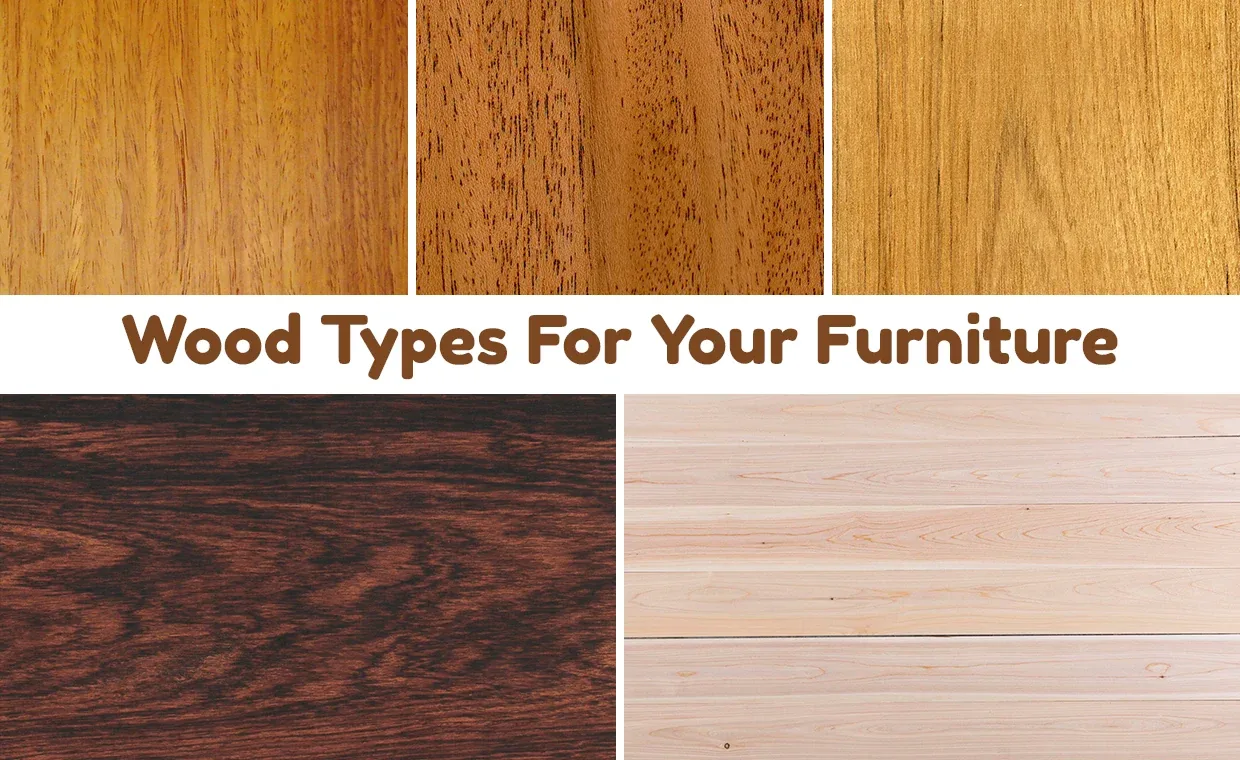
The living room is a space for relaxation and entertaining guests. Furniture should be beautiful, strong, and resistant to scratches and temperature swings. Unlike the kitchen, there is no moisture or grease here, but there are aesthetic requirements.
Selection Criteria for Living Room Wood
What to Look For
- Do: Beautiful grain: oak, ash, walnut, cherry. Striking look, noble color.
- Do: Strength: oak, ash, walnut. They withstand loads and resist scratches.
- Do: Stability: oak, ash, walnut. Minimal shrinkage and cracking.
- Do: Ease of care: oak, ash, walnut. Easy to clean, do not fade.
- Avoid: Pine, spruce: soft, scratch easily. Only for decorative elements.
- Avoid: Birch, beech: affordable but less striking. For budget furniture.
Best Species for the Living Room
Species Ranking for the Living Room
1. Oak (best choice)
The classic. Strong, beautiful, with noble grain. For tables, cabinets, and shelving. Lasts 50+ years. Expensive, but pays off in quality.
2. Ash
Flexible, strong, with pronounced grain. For tables, cabinets, and shelving. Lighter than oak, with a distinctive pattern. Good value for money.
3. Walnut
Premium dark wood. For designer furniture and studies. Noble color, striking grain. Expensive, but luxurious.
4. Cherry
Warm pink-brown color that darkens over time. For tables, cabinets, and decorative elements. Beautiful grain, mid-range price.
5. Beech
Dense, hard, with fine grain. For shelving and case furniture. More affordable than oak. Not as striking, but practical.
6. Birch
Light, dense, affordable. For case furniture and drawers. A budget option. Not as striking as oak or ash.
Selection Tips
- For tables and cabinets - oak, ash, walnut. These species withstand loads and resist scratches.
- For shelving and case furniture - beech, birch, ash. Affordable options for budget furniture.
- For designer furniture - walnut, cherry. Striking look, noble color.
- Finish with oil or varnish. Oil protects from scratches; varnish protects from stains.
- Wipe the surface regularly with a dry or slightly damp cloth.
- For a classic-style living room - oak or walnut. For a modern style - ash or beech.
How to Choose Wood for Outdoor Furniture
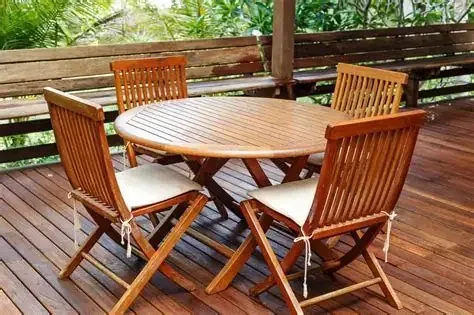
Outdoor furniture faces the harshest conditions: rain, snow, sun, temperature swings, and wind. The wood must be moisture-resistant, UV-resistant, and must not rot, crack, or get moldy.
Selection Criteria for Outdoor Wood
What to Look For
- Do: Moisture resistance: larch, teak, cedar. They do not swell, rot, or get moldy.
- Do: UV resistance: teak, larch, cedar. They do not fade or crack.
- Do: Strength: larch, teak, oak. They withstand loads without sagging.
- Do: Insect resistance: larch, teak, cedar. They contain resins and tannins that repel insects.
- Avoid: Untreated pine and spruce: rot quickly, swell, and get moldy.
- Avoid: Soft hardwoods: beech, birch. Not suitable for outdoors - they fear moisture.
Best Species for Outdoor Furniture
Species Ranking for Outdoors
1. Teak (best choice)
The benchmark for outdoors. Very dense, oily, does not rot. Lasts 50-100 years. Expensive, but pays off in lifespan. Ideal for terraces and garden furniture.
2. Larch
Moisture-resistant, strong, does not rot. Lasts 50+ years. For terraces, garden furniture, and gazebos. More expensive than pine, but pays off in quality.
3. Cedar
Light, moisture-resistant, with beautiful grain. Contains natural preservatives. For garden furniture and gazebos. More expensive than larch, but easier to work with.
4. Oak
Strong, moisture-resistant. For garden furniture and terraces. Heavy and expensive. Rarely used outdoors due to weight and price.
5. Pine (treated)
The budget option. Requires preservative and fire-retardant treatment. For garden furniture and gazebos. Lasts 10-20 years with proper treatment.
Selection Tips
- For terraces and garden furniture - teak or larch. These species withstand moisture, sun, and temperature swings.
- For gazebos and canopies - larch or cedar. Moisture-resistant, strong, do not rot.
- Finish with oil or varnish. Oil protects from moisture and UV; varnish protects from scratches.
- Treat with preservative regularly, even if you choose teak or larch. It will extend the lifespan.
- Do not leave furniture outdoors in winter. Cover it or move it indoors.
- For high-humidity regions - teak or larch. For dry regions - treated pine.
How to Contact Us for a Consultation
If you are unsure which wood suits your project, or would like help choosing - get in touch. We will help you pick the right species for your tasks, budget, and usage conditions.
Contact for Consultation
info@matwoodenmat.ru - write to us with a description of your project: type of furniture, usage conditions, and budget. We will reply within 24 hours.
We will help you choose wood for your project: roof, kitchen, living room, or outdoors. The consultation is free - we will answer all your questions, send examples, and calculate the cost.